Menus & QR codes
Menu engineering: which dishes should you highlight?
Compare popularity and contribution with a worked CHF example, without confusing the amount left after food costs with restaurant profit.
Start with one category
You do not have to redesign everything. Choose evening mains, for example, over a representative period. Drinks, desserts and mains serve different roles and price points; comparing them directly can mislead.
Read the details
Collect quantities sold, prices actually received and ingredient cost per portion. Use a consistent basis for taxes and discounts, clarifying it with your accounting lead where necessary. Approximate recipes and variable portions weaken the comparison.
The method combines popularity and contribution, as described in Basic Kitchen and Food Service Management. The following example is entirely fictional.
Calculate contribution and sales share
For this exercise: unit contribution = selling price on the chosen basis minus ingredient cost. Total contribution = unit contribution multiplied by quantity sold. Sales share = dish quantity divided by category quantity. This is not profit: wages, rent, energy and other costs remain.
| Fictional dish | Price CHF | Ingredients CHF | Contribution CHF | Portions | Total CHF |
|---|---|---|---|---|---|
| Risotto | 26 | 8 | 18 | 80 | 1 440 |
| Chicken | 30 | 11 | 19 | 50 | 950 |
| Vegetable dish | 24 | 7 | 17 | 30 | 510 |
| Fish | 34 | 16 | 18 | 40 | 720 |
Read the details
The 200 portions produce shares of 40%, 25%, 15% and 20%. Combined contribution is CHF 3 620, a weighted CHF 18.10 per portion. The highest selling price does not produce the highest unit contribution here.

Interpret the figures in context
Set reference points before classifying: category, average and internal objectives. Do not shift a threshold afterwards to favour a preferred dish.
- Popular with good contribution: preserve quality and make it easy to find.
- Popular with weak contribution: examine recipe, waste, portion or price.
- Less popular with good contribution: check its name, description and position.
- Less popular with weak contribution: examine its role and causes before removing it.
Read the details
A vegetarian option can be important for groups despite modest individual sales. A quick dish may relieve a service bottleneck. Figures support judgement rather than replace operational knowledge.
Highlight without misleading
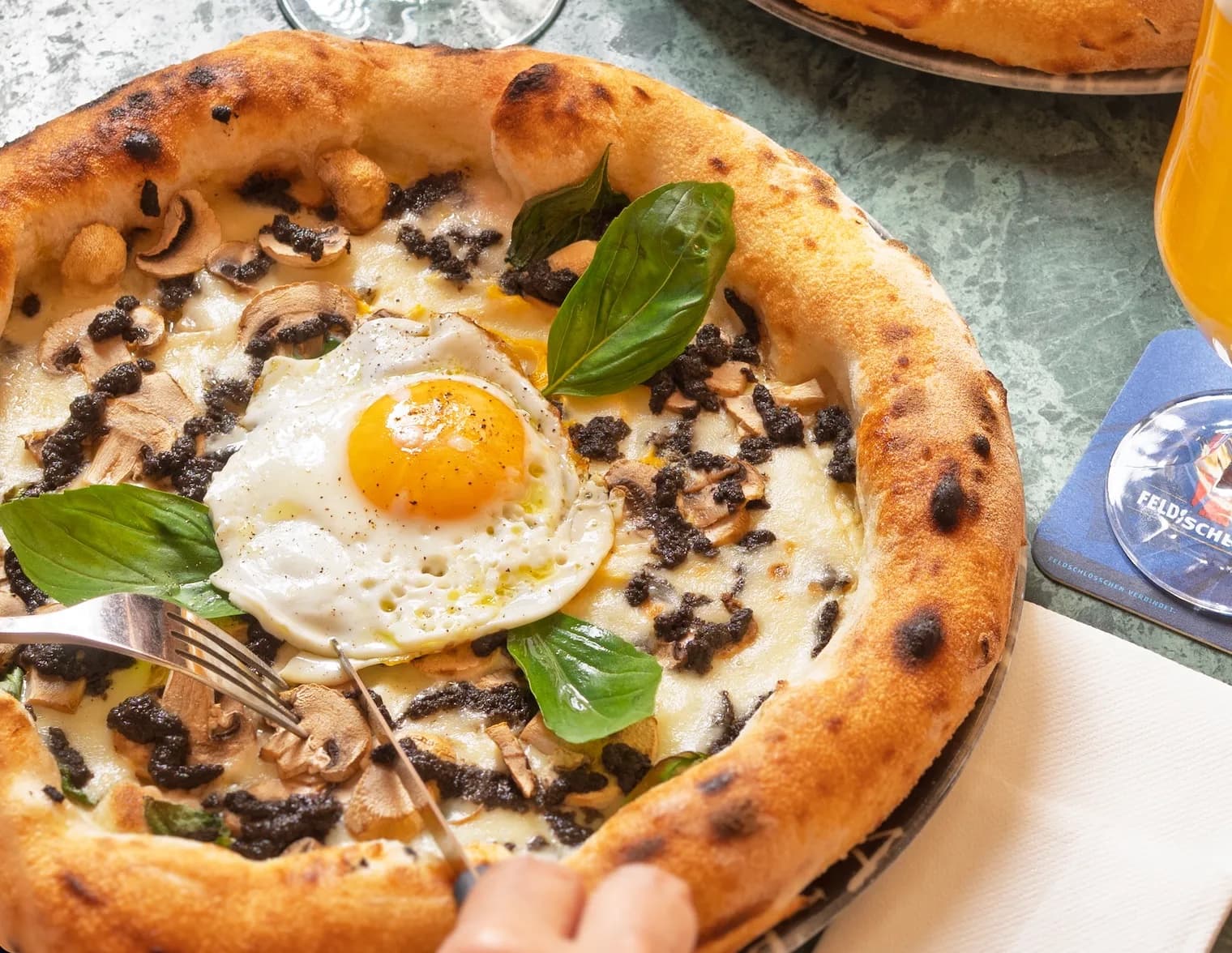
Begin with a clear name, precise description and sensible place in the section. A faithful photograph can explain an unfamiliar dish. Staff can describe preparation without always steering towards the most expensive option.
Read the details
In the example, the vegetable dish accounts for 15%. Before changing its price, check whether the name is vague and accompaniments are explained. Test a clear improvement over a comparable period.
Do not invent labels such as “our guests’ favourite” without evidence. Keep prices visible and avoid false scarcity. Good presentation supports an informed choice.
Apply your decisions to an editable menu
Create my preview →Test one change at a time
Record date, change and reason: description, photograph, position or recipe. Compare sufficiently similar services afterwards. A festival week and an ordinary week do not support a simple conclusion.
Read the details
Watch preparation time, waste, returned dishes, shortages and shifts between items. Increasing one dish’s sales can overload a slow station and harm the overall result.
Retain the recipes and costs used. Purchase-price changes affect contribution even without changing guest behaviour. Recalculate when ingredient costs change materially.
Use the digital menu to put decisions into practice
Your till, recipe sheets and kitchen records provide the data. Swizee presents and publishes your menu; it is not an automatic profitability calculator or till-sales analysis system.
Read the details
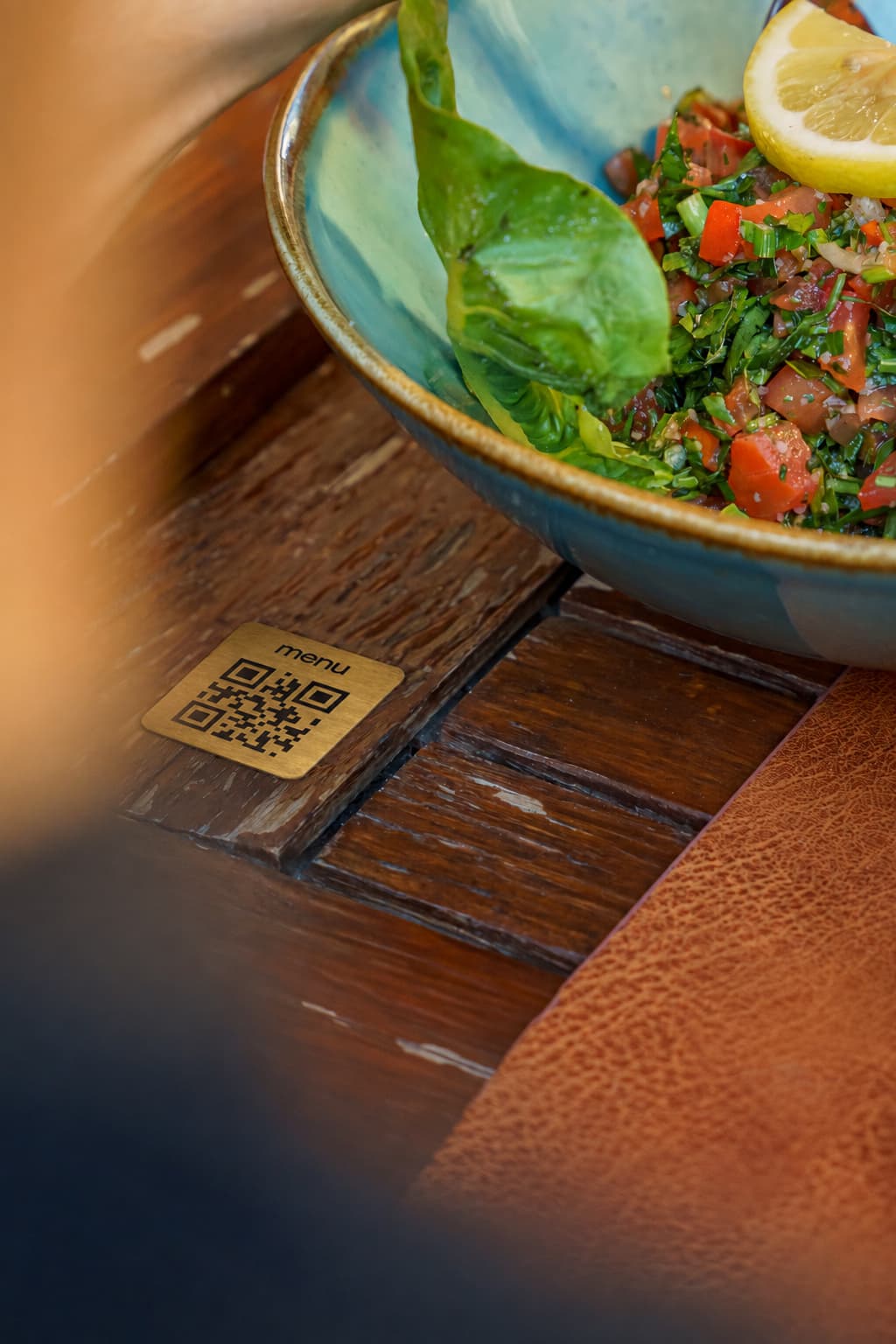
Once you decide, prepare the new wording or presentation in draft, check and publish. A permanent QR avoids replacing supports for each content update. Review the result on a phone.
Revisit the analysis at meaningful menu changes instead of accumulating unmeasured tweaks. The aim is a clear, coherent offer your team can deliver, rather than isolated optimisation of a single price.
Questions about this topic
Is contribution after ingredients my profit?
No. Other operating costs have not been deducted. Here it provides a consistent comparison between dishes.
Does Swizee calculate this automatically?
No. Use sales data and recipe costings; Swizee presents the menu resulting from your decisions.